JTF project site
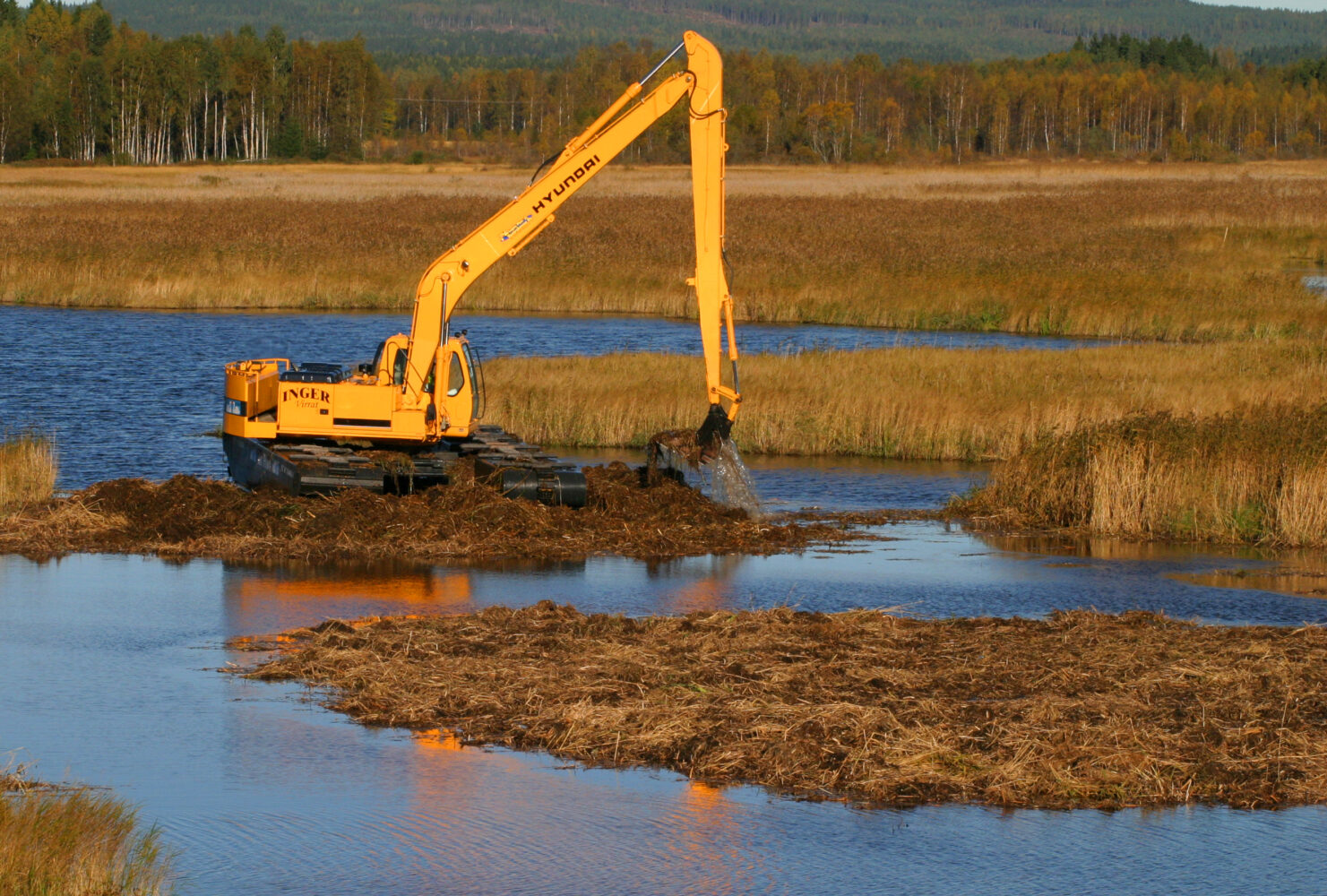
Restoration of former peat production sites with JTF funding
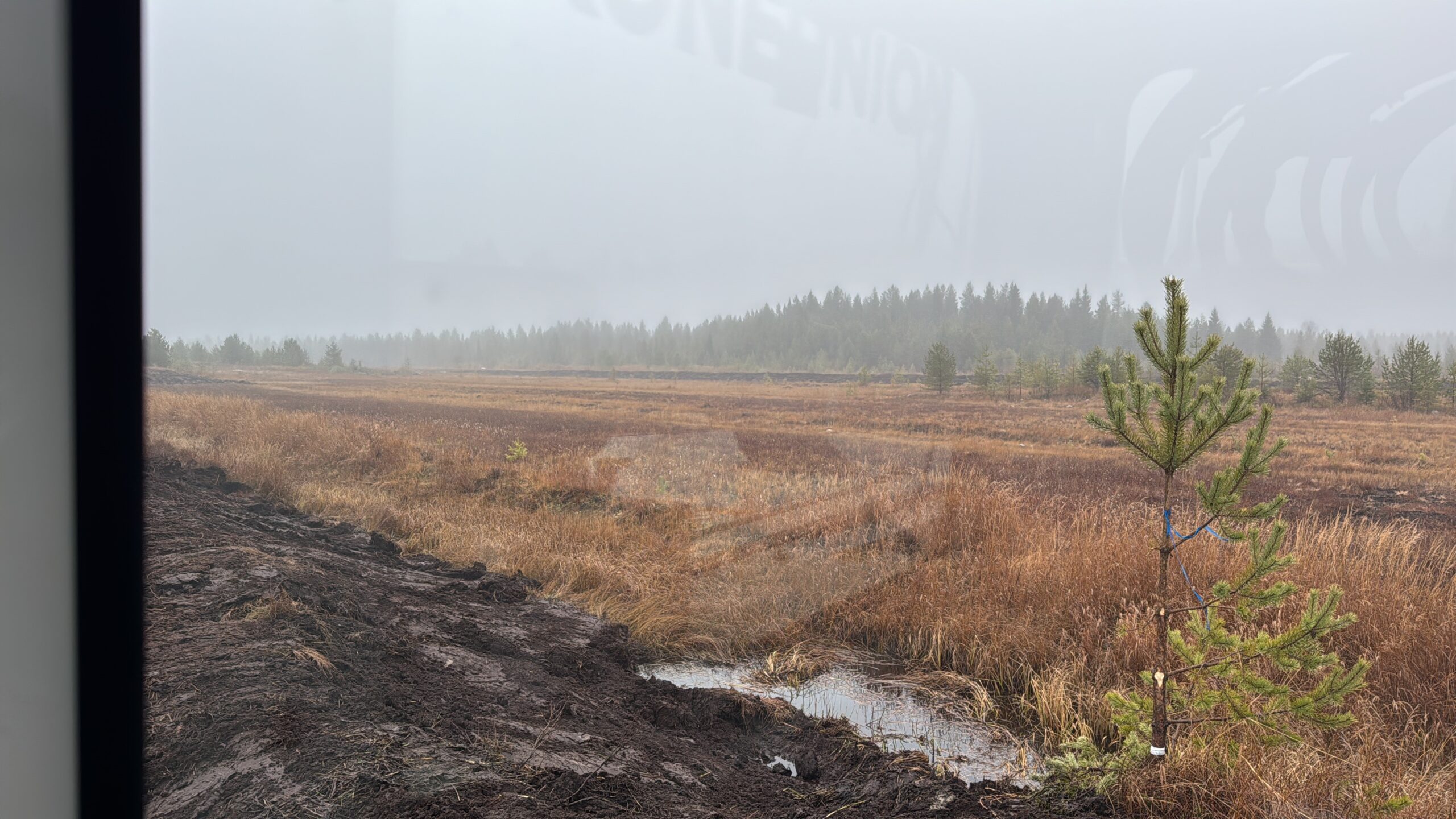
Peat began to be used as fuel in Finland as early as the 19th century, and peatlands have been drained for a long time for agricultural and forestry use. However, the drainage of peatlands has led to a clear reduction in wetland habitats and significant carbon dioxide emissions. According to some sources, the proportion of natural mires is well below half of the total mire area in Finland, and in some places even significantly less.
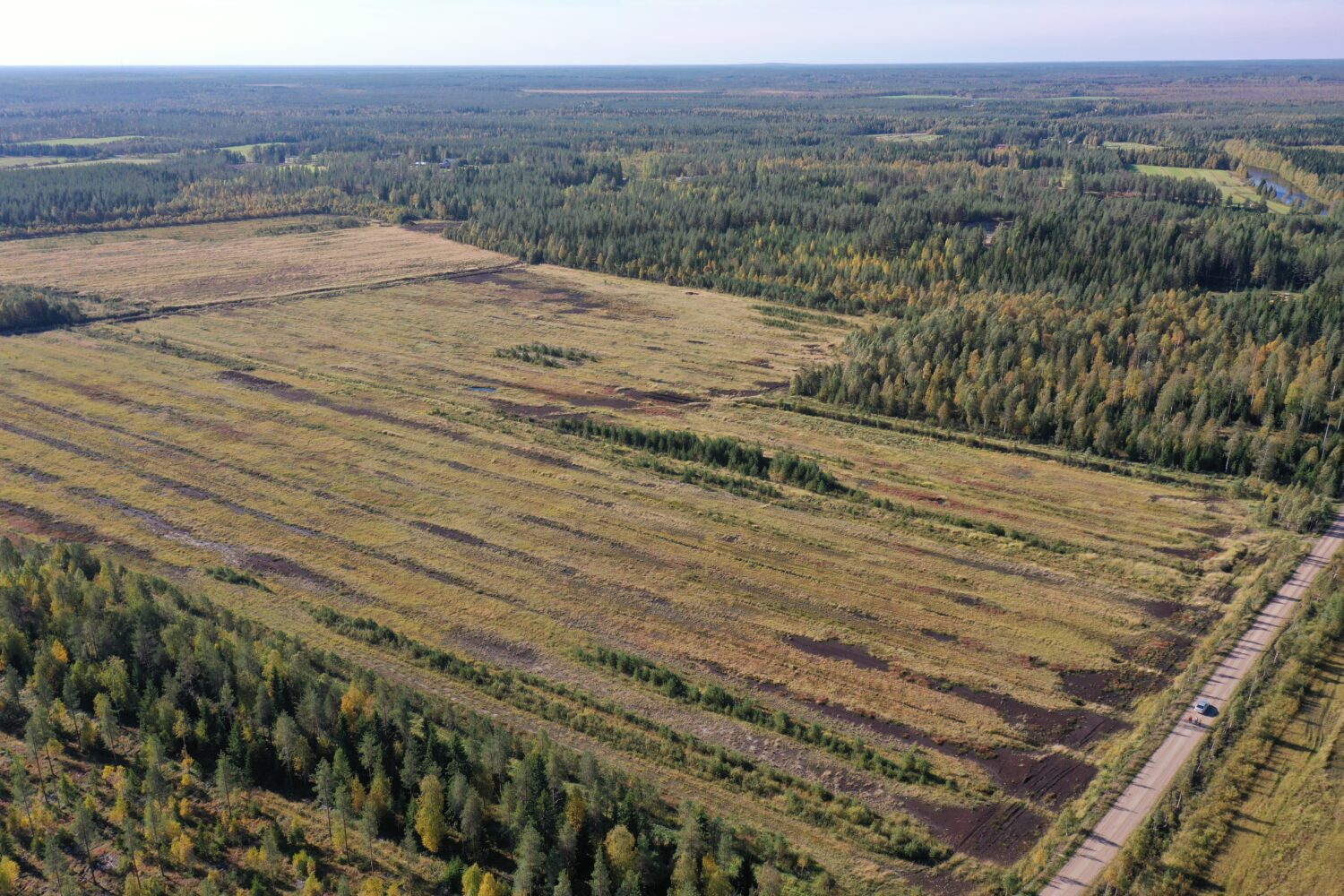
POPKA

POPKA 2
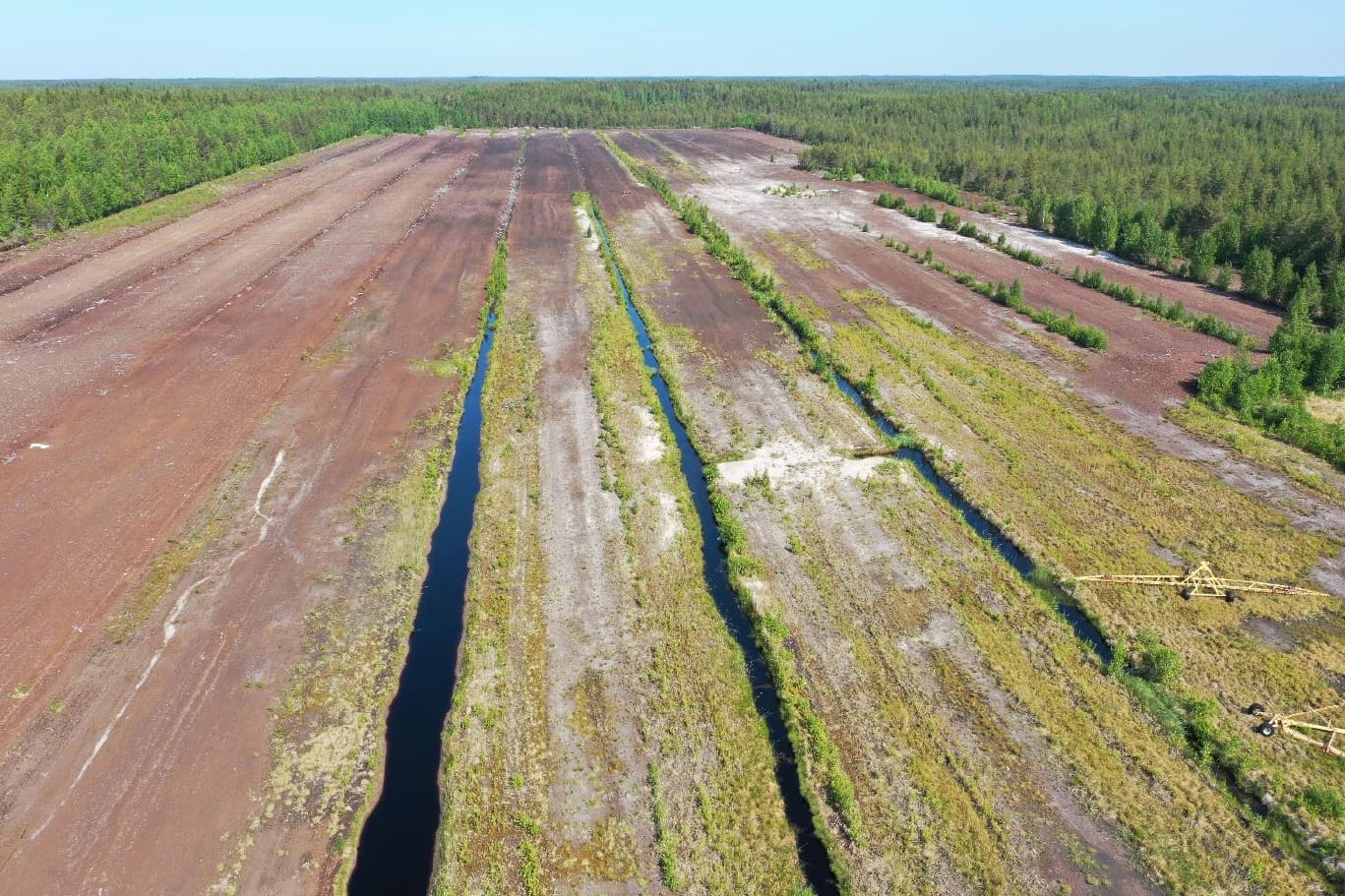
EPKA
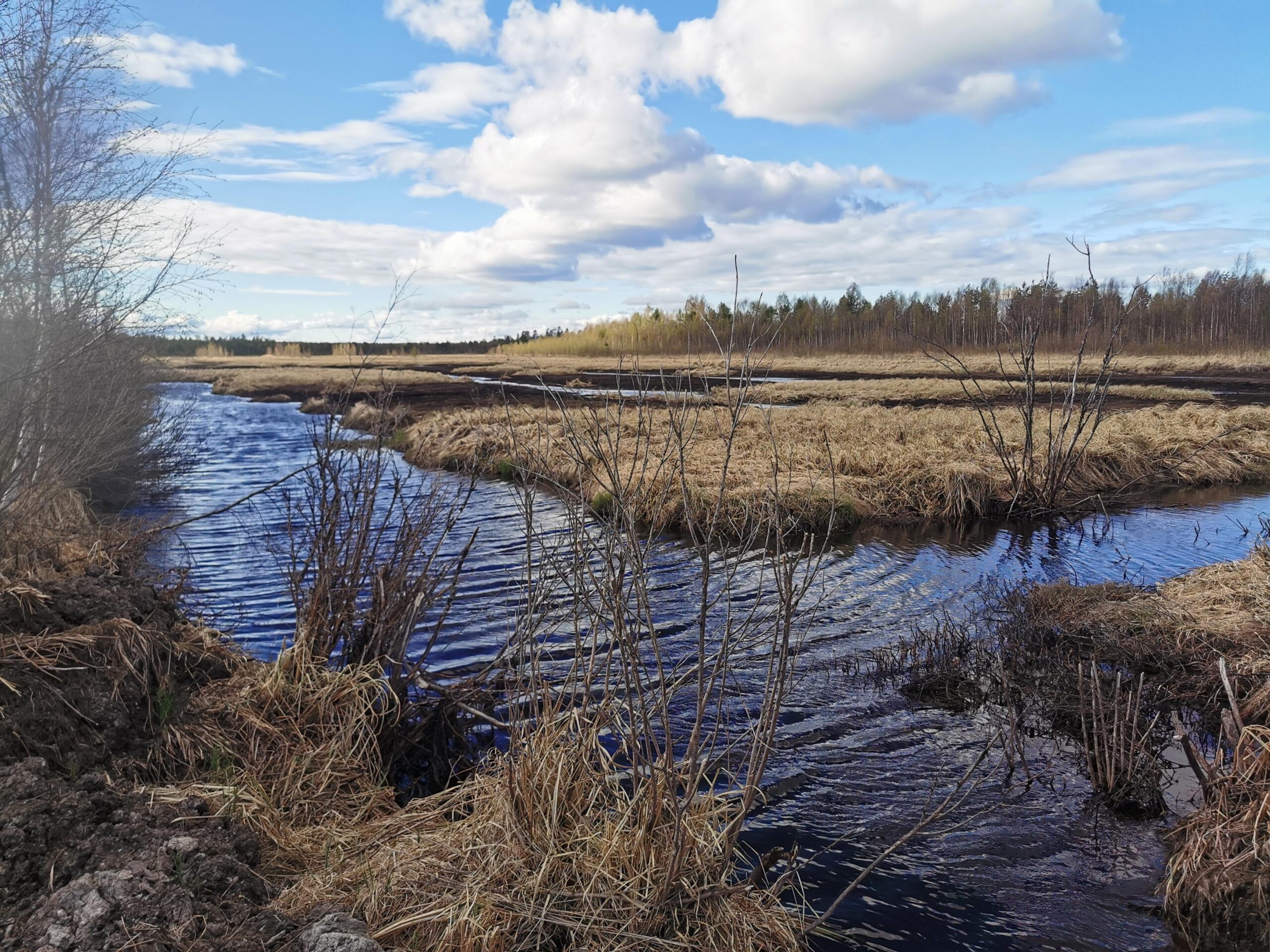
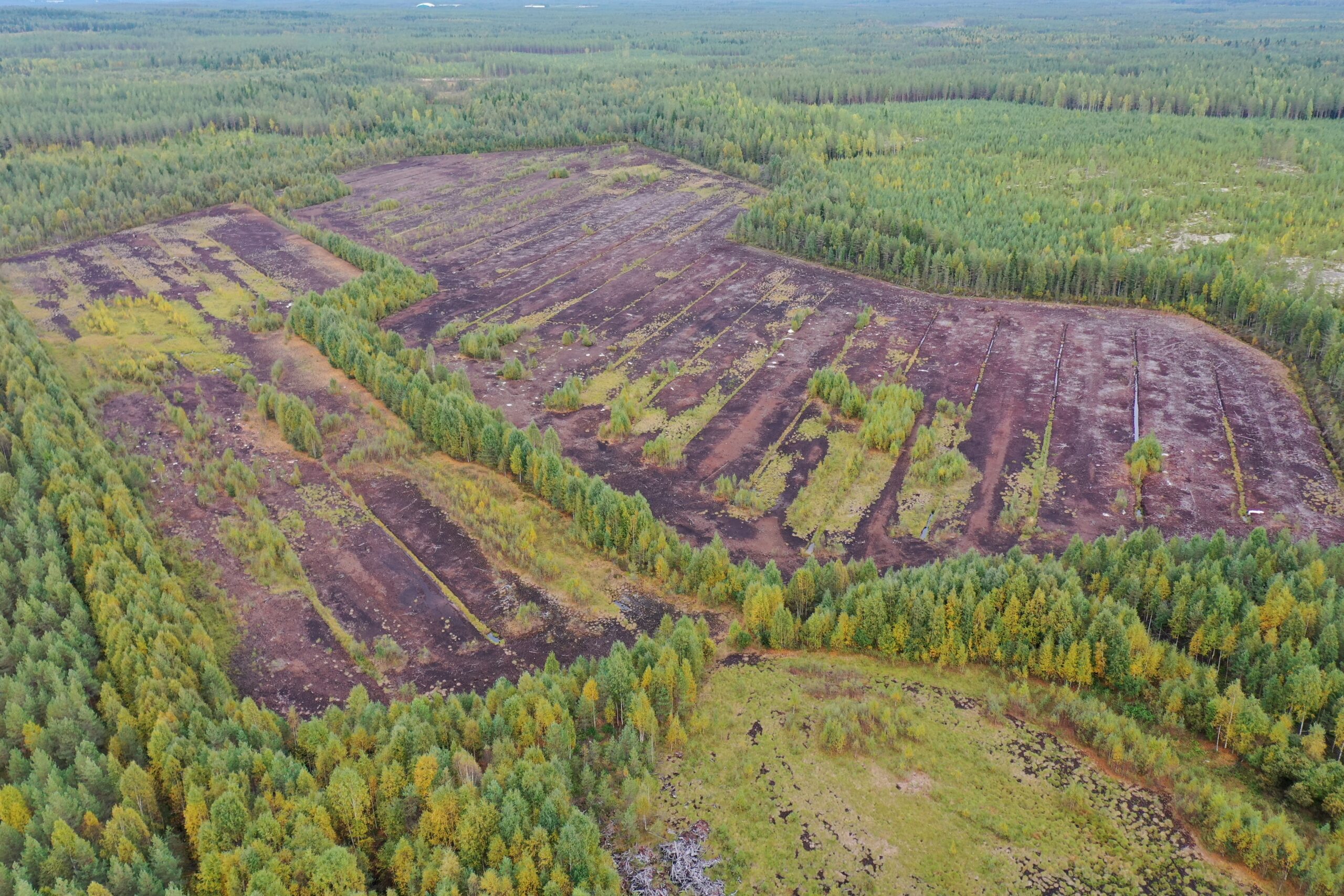
POPKA- and EPKA-projects rewet the peat production areas.
In the summer of 2024, the Finnish Game Management Foundation was given JTF funding for the POPKA project, aimed at restoring five different peat production areas in Northern Ostrobothnia and Kainuu during 2024–2026. At the end of 2024, the Foundation applied for additional funding to expand the project under the name POPKA2, and at the end of 2025 started the third project, EPKA.
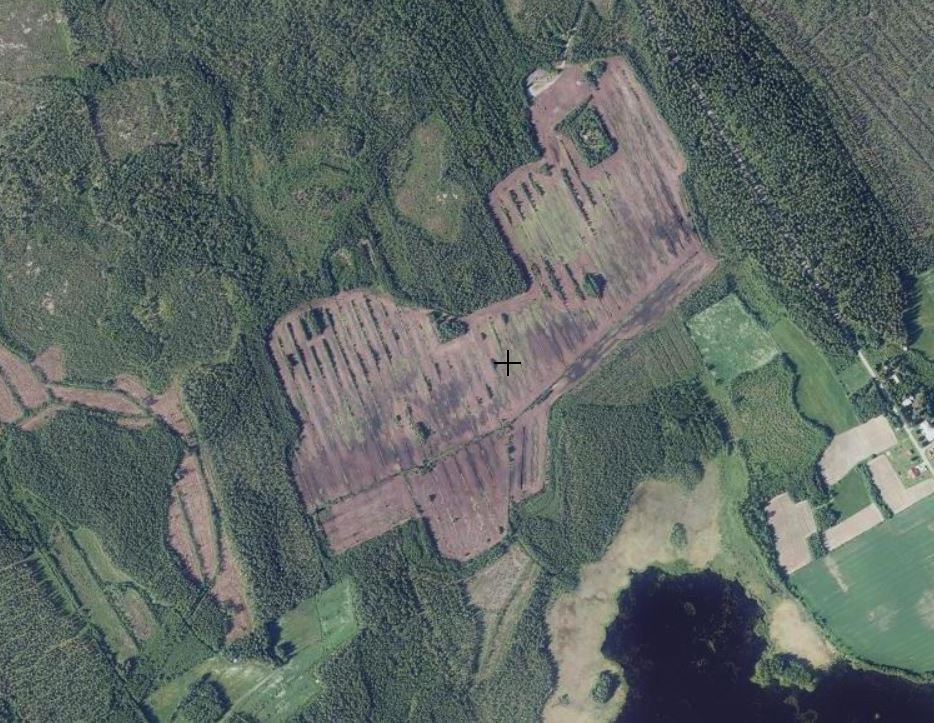
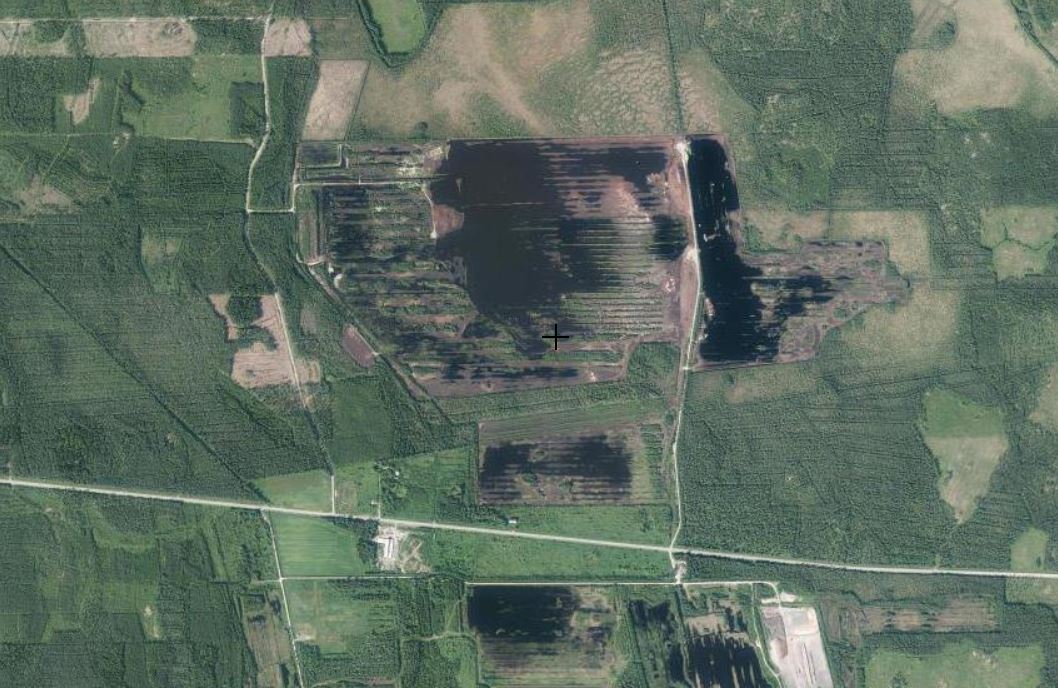
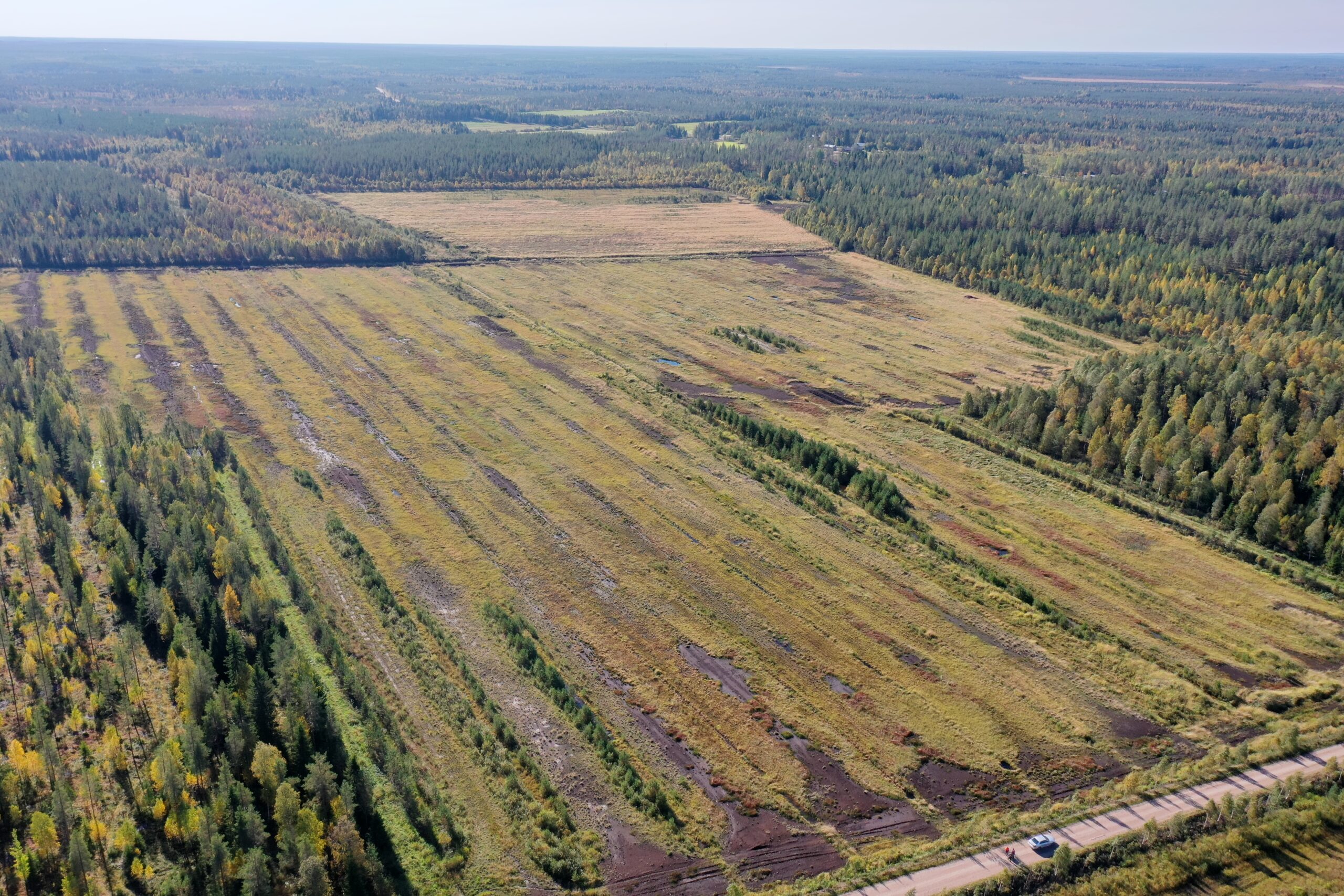
In these projects co-funded by the European Union the foundation is restoring peat production areas that have been taken out of production on a total of 11 different farms in Northern Ostrobothnia, Southern Ostrobothnia, and Kainuu, creating a total of approximately 230 hectares of new open water areas.
Restoration promotes many objectives
The areas are drained to promote carbon sequestration, improve the water quality of the waterways below, and create wetlands that enhance biodiversity. Restored peat production areas provide excellent breeding and nesting habitats and resting areas for many declining bird species and large numbers of invertebrates. The restoration of these areas will take advantage of the natural elevation differences created by peat production by raising the edge embankments and installing dam structures. Damming will achieve significantly better cost-effectiveness than restoration by dredging, for example.
The aim is to make maximum use of these areas by channeling water from upstream water bodies and watersheds—located outside former peat production areas—through the open water areas and wet peatlands created by restoration and rehabilitation efforts. In the future, the restored areas will function as effective filters and water protection elements that improve the condition of downstream water bodies.
Why is restoration important? Watch our video here!
Do you know of any former peat production areas that might be suitable for our project?
Declining waterfowl and waders in focus
Restoration is expected to benefit declining waterbird species in particular, such as the common snipe, the wigeon, and the wood sandpiper, as well as a large number of waders (including the ruff, the wood sandpiper, and the snipe). Although many bird species are the most visible beneficiaries of restoration, restored areas also serve as important habitats for many invertebrate species. Mires and wetlands are home to many dragonfly and butterfly species.
Landowners
The landowners involved in the projects include Finland’s largest forest funds, Turveruukki Oy in Oulu, and numerous private landowners. The landowners are committed to maintaining the area in its restored state for at least 10 years after the completion of the project. Waterfowl counting points will be set up in the areas, and efforts will also be made to ensure effective small game hunting in the areas to support the survival of bird broods. Waterbird counting points will be set up in the areas, and efforts will also be made to ensure effective small game hunting to support the survival of bird broods. In addition to landowners, hunting clubs are also important stakeholders for us!
In cooperation:
Turvetuotantoalueiden ennallistamisen ympäristövaikutusten seuranta ja arviointi – ENARI
Funding:
Peat production areas for new land use (Economic Development Centre)
Restoration and After-Use of Former Peat Production Areas in the JTF Program (video)
JTF Funding for the Restoration and After-Use of Peat Production Areas (video)
Would you like to know more?
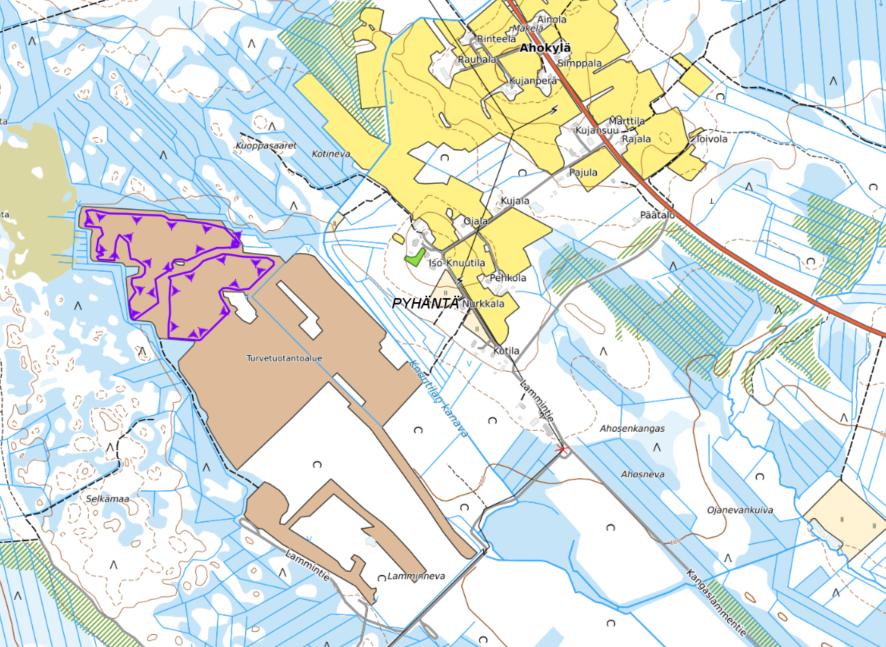
You can find the project sites with their locations at the bottom of the page.
More information:
Project Manager Antti Saarenmaa
p. +358503012647