Wetlands to help combat flood peaks
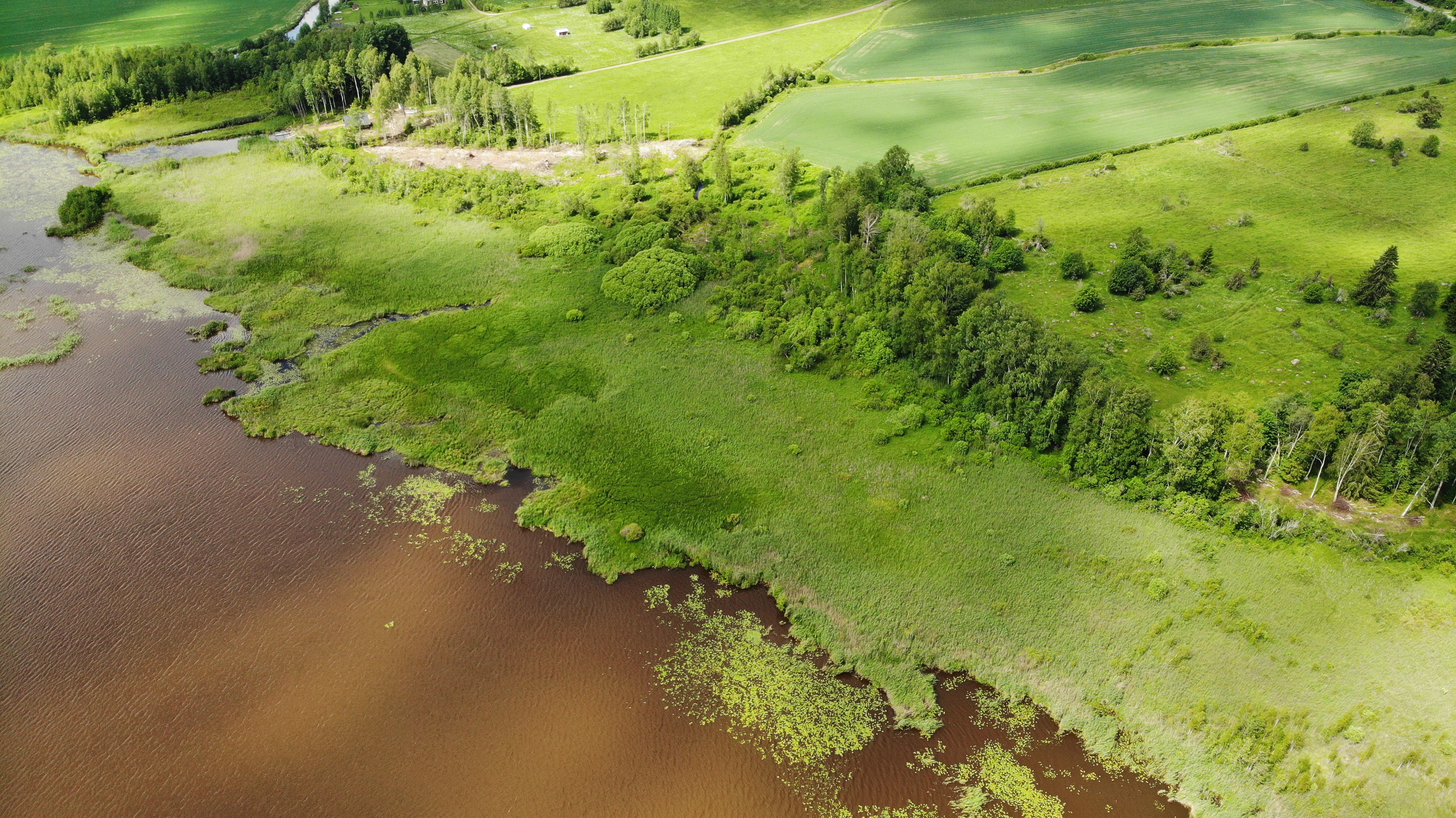
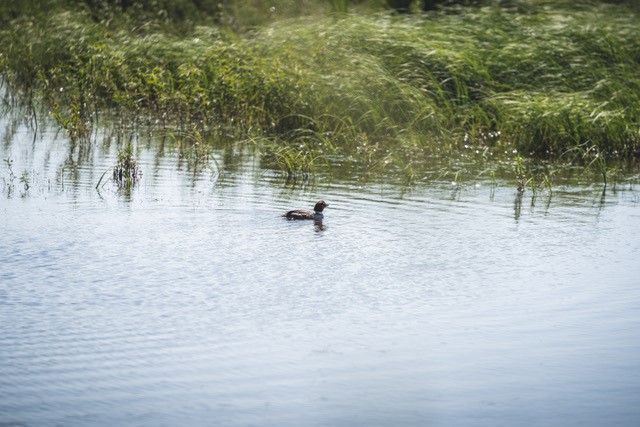
Wetlands support biodiversity by providing important habitats for a wide range of invertebrates and vertebrates. Wetlands are important breeding habitats for our waterfowl, but they also serve a number of other purposes, from water conservation to recreation.
From the point of view of our water bodies, wetlands are protective zones that act as effective buffers against weather conditions. Wetland basins slow and smooth the flow of water, protecting both infrastructure and the underlying ecosystem, especially during heavy rains and spring floods. Fluctuations in rainfall and flash floods caused by climate change are making wetlands an increasingly important part of protecting our water bodies.
Wetlands smooth the flow of water
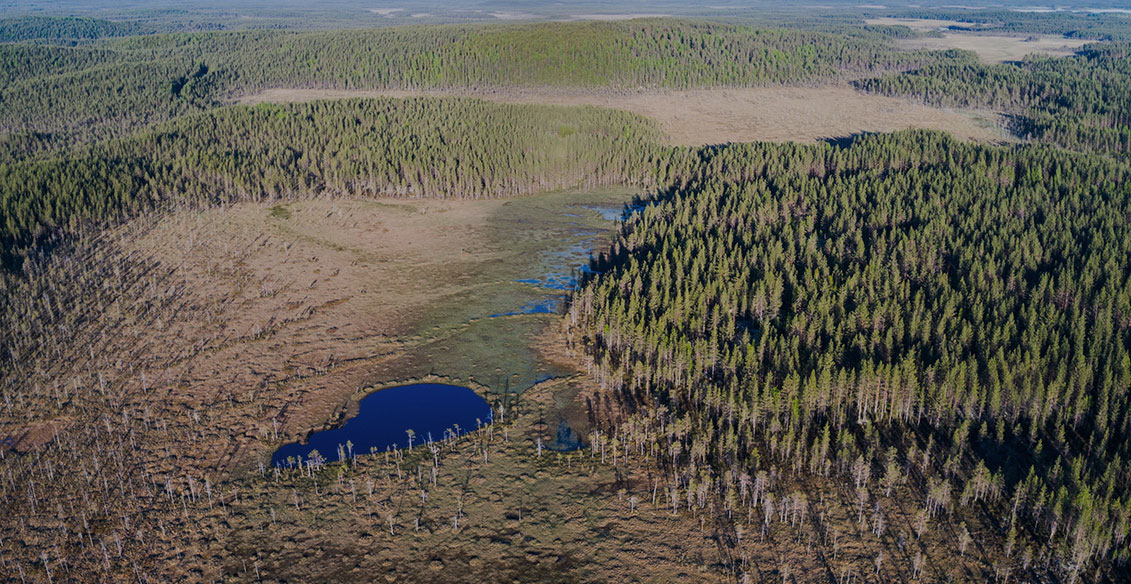
Wetland ponds act as leveling tanks and can hold large amounts of water in a short time if necessary. Meltwater and rainwater from upstream catchments can flow through a series of pathways to a properly sited wetland, which in turn gradually releases it to downstream water bodies. The wetland slows down the flow of water, calming the impact of flood peaks on downstream water bodies, preventing erosion and protecting water bodies from sudden inputs of solids and nutrients. During the worst floods, wetlands can also attenuate the impact of flood peaks on primary production by storing in their basins water masses that might otherwise spread from their banks into fields and eventually leach nutrients back into downstream water bodies.
The importance of wetlands in urban and rural areas
Wetlands serve communities in both rural and urban areas. In rural areas, they help regulate groundwater levels and protect farmland from water damage. In urban environments, wetlands act as green infrastructure, reducing stormwater flooding, cleaning the air and providing natural recreational areas for city dwellers. At the same time, they strengthen ecosystem resilience and provide habitat for a wide range of species, including endangered species that find no other habitat in a landscape shaped by human activity.
Enrichment brings several benefits
Much of our wetlands have been drained over time for agricultural use and construction. This has reduced our natural wetland habitats and, at the same time, their potential to act as water regulators and flood protectors. Wetland restoration is returning us to a habitat with vital functions: water retention, water purification and flood protection are gradually being restored. At the same time, restoration increases biodiversity and supports the recovery of declining species. Research shows that restored wetlands have a significant impact in both reducing flood peaks and improving water quality.
Flood protection and wetlands
In the future, natural and cost-effective solutions will be needed to mitigate the effects of climate change. After initial investments, wetlands are cheap to maintain and are a natural solution to prepare for changing weather conditions. By combining technical solutions such as dams and ditches with wetland restoration measures, a comprehensive flood protection network can be built that protects both people and the environment. Wetlands are not just a landscape feature – they are an essential part of sustainable and climate-resilient land use.
The Finnish Game Foundation aims to be part of the forefront of wetland conservation and restoration. Our work not only reduces flood risks but also enhances biodiversity and contributes to climate change adaptation. By supporting the Foundation’s work with donations or by purchasing our supporting products, you enable concrete environmental actions that will benefit both current and future generations.